
For centuries, knowing which plant you were looking at could be a matter of life and death. One leaf could look much like another and yet heal or poison, nourish or sicken. So long before photography existed, a reliable way of showing what each plant looked like became essential: drawing it. That is how botanical illustration was born, a craft that for more than two thousand years has united scientific observation with artistic sensitivity, and that in Europe has left some of the most beautiful and precise images ever made. Tracing its history is also tracing how we learned to look at nature.
Ancient and medieval herbals
The first great works on medicinal plants in the Mediterranean world date back to antiquity. The Greek physician Dioscorides wrote a treatise on medicinal substances in the first century, De materia medica, which was copied for centuries and became a fundamental reference. Some manuscript copies included illustrations of plants of great beauty.
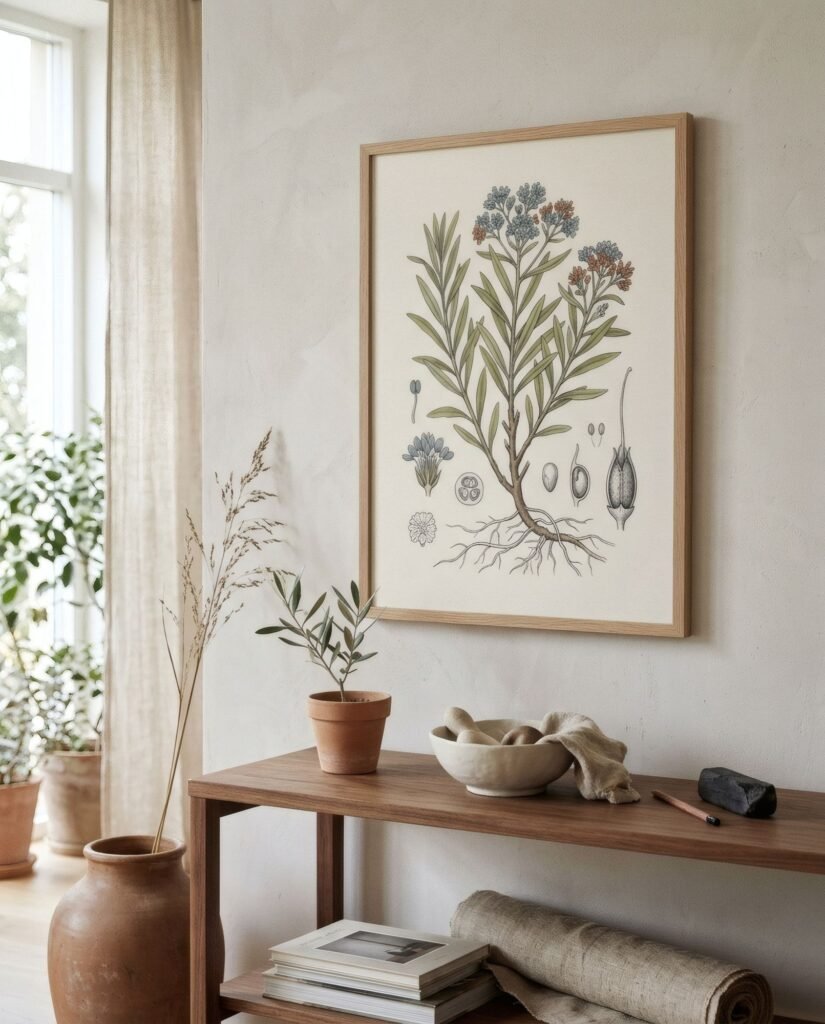
In the Middle Ages, herbals, books describing and picturing useful plants, were copied by hand in monasteries and centres of learning. But each copy drifted a little further from the original: drawings were copied from other drawings, not from the living plant, and over time many images became schematic or fanciful, hard to recognise in nature.
The Renaissance: drawing from life
The great change came with the Renaissance and printing. Artists and scholars returned to drawing from real plants observed directly. And printing, with woodcut illustration, allowed one faithful image to be reproduced many times, free of the distortions of hand copying.
One emblematic book of this moment is De historia stirpium by the German physician Leonhart Fuchs, published in Basel in 1542. It contained hundreds of full-page plant woodcuts, many hand-coloured, and something very unusual for its time: the names and portraits of the artists who made it possible, the draughtsman Albrecht Meyer, Heinrich Füllmaurer, who transferred the drawings to the blocks, and the block-cutter Veit Rudolf Speckle. It is among the first books to credit its illustrators in that way.
The eighteenth century: classifying the world
In the eighteenth century, botany became a science of classification. The Swedish naturalist Carl Linnaeus proposed a system for naming and ordering species that spread across Europe, and with it grew the need for precise images showing not only a plant’s overall look but its flowers, fruits and reproductive parts, on which classification was based.
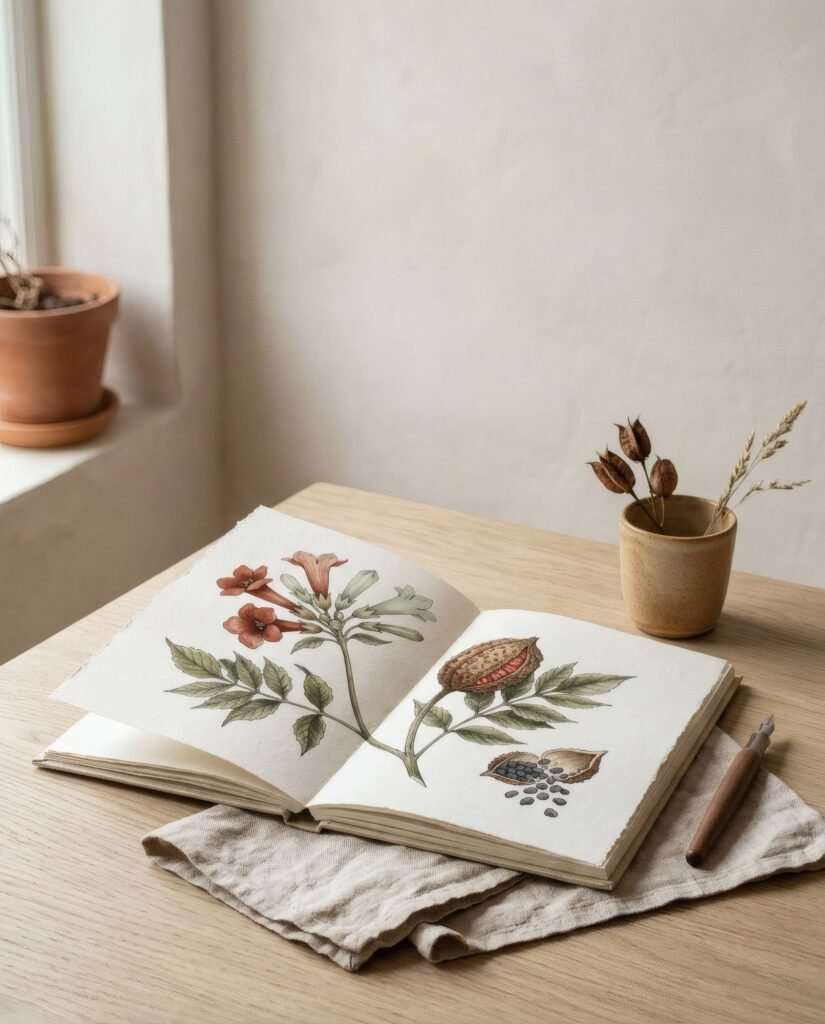
It was also the age of great scientific expeditions. Early in the century, the naturalist and artist Maria Sibylla Merian published in Amsterdam, in 1705, her extraordinary plates of the plants and insects of Suriname. Later, the Spanish Crown sponsored the Royal Botanical Expedition to New Granada, led by José Celestino Mutis, in which dozens of painters documented the flora of present-day Colombia.
The golden age
The late eighteenth and early nineteenth centuries are often called the golden age of botanical illustration. In England, in 1787, William Curtis founded an illustrated magazine devoted to garden plants. It later became Curtis’s Botanical Magazine, and from 1842 it was produced at the Royal Botanic Gardens, Kew, where it is still published today. It is considered the longest-running botanical periodical in the world.
In France, the painter Pierre-Joseph Redouté became enormously famous for his plates of lilies and roses, whose delicacy and realism still astonish. His works are still reproduced around the world.
From engraving to photography, and beyond
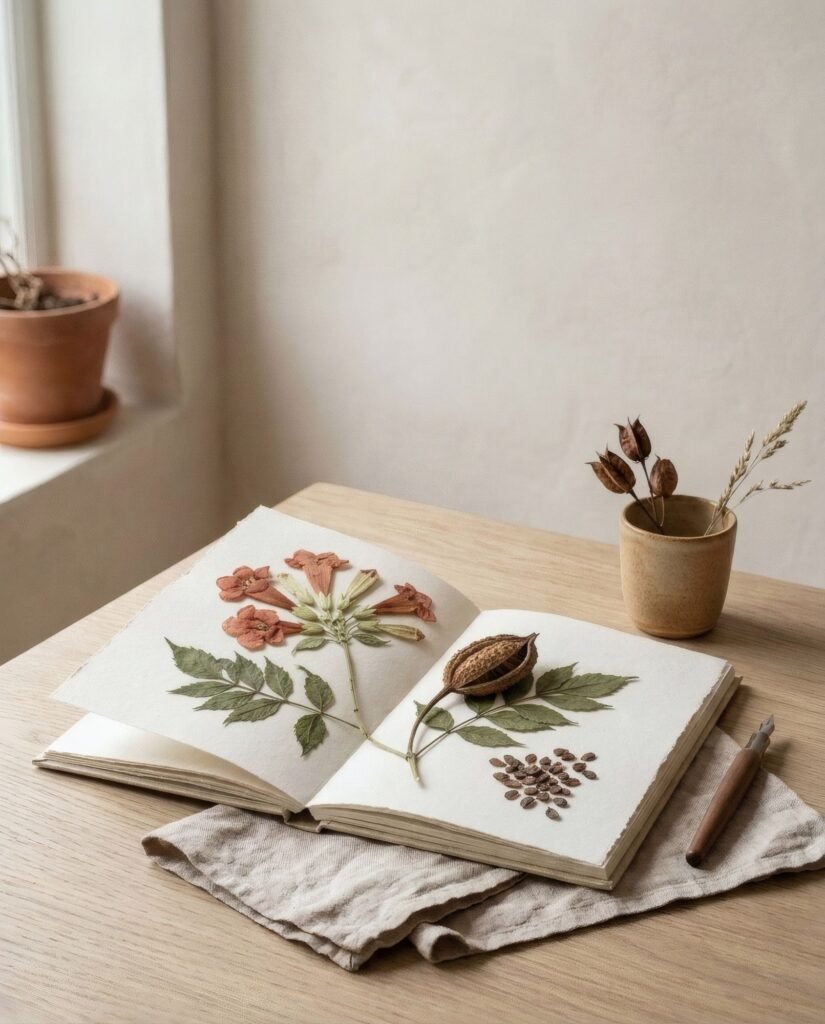
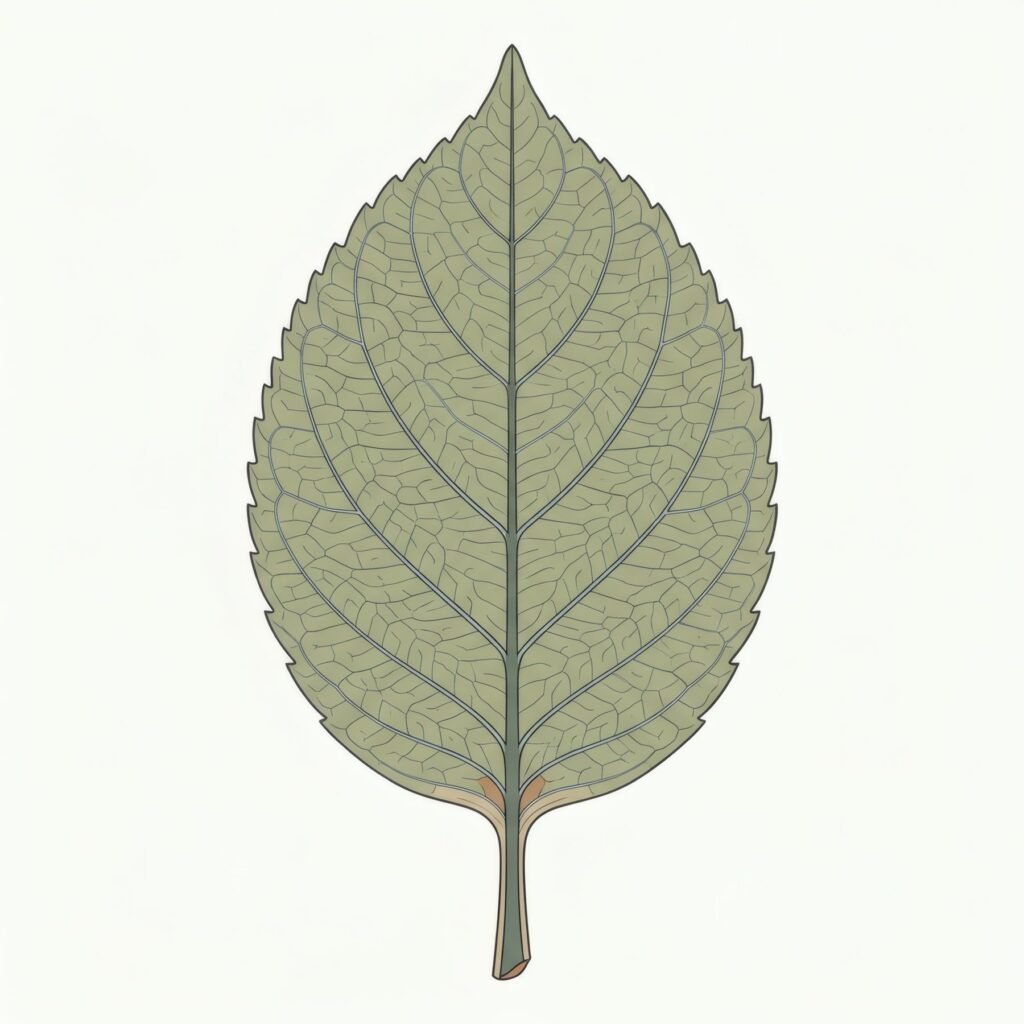
With the arrival of photography in the nineteenth century, botanical illustration might have seemed doomed. It was not. An illustration can do things a photograph cannot: show flower, fruit and seed in one image; leave out the accidental, a torn leaf or a shadow, to show what is typical of the species; or emphasise the details that matter for identification. So scientific botanical illustration is still practised today, alongside an artistic botanical illustration that has found its place in galleries and homes.
A legacy on our walls
Many of those historic plates are now in the public domain, and museums, libraries and botanic gardens have digitised much of their collections. Images that for centuries sat in books within reach of few can now be admired on any screen and, as reproductions, hung on any wall. We look at that shift into interiors in botanical art: from scientific illustration to interior design.
Keep reading: How to Read an Art Print Product Description, Photography, Memory and the Images We Live With and Nature-Inspired Shapes in Contemporary Art.