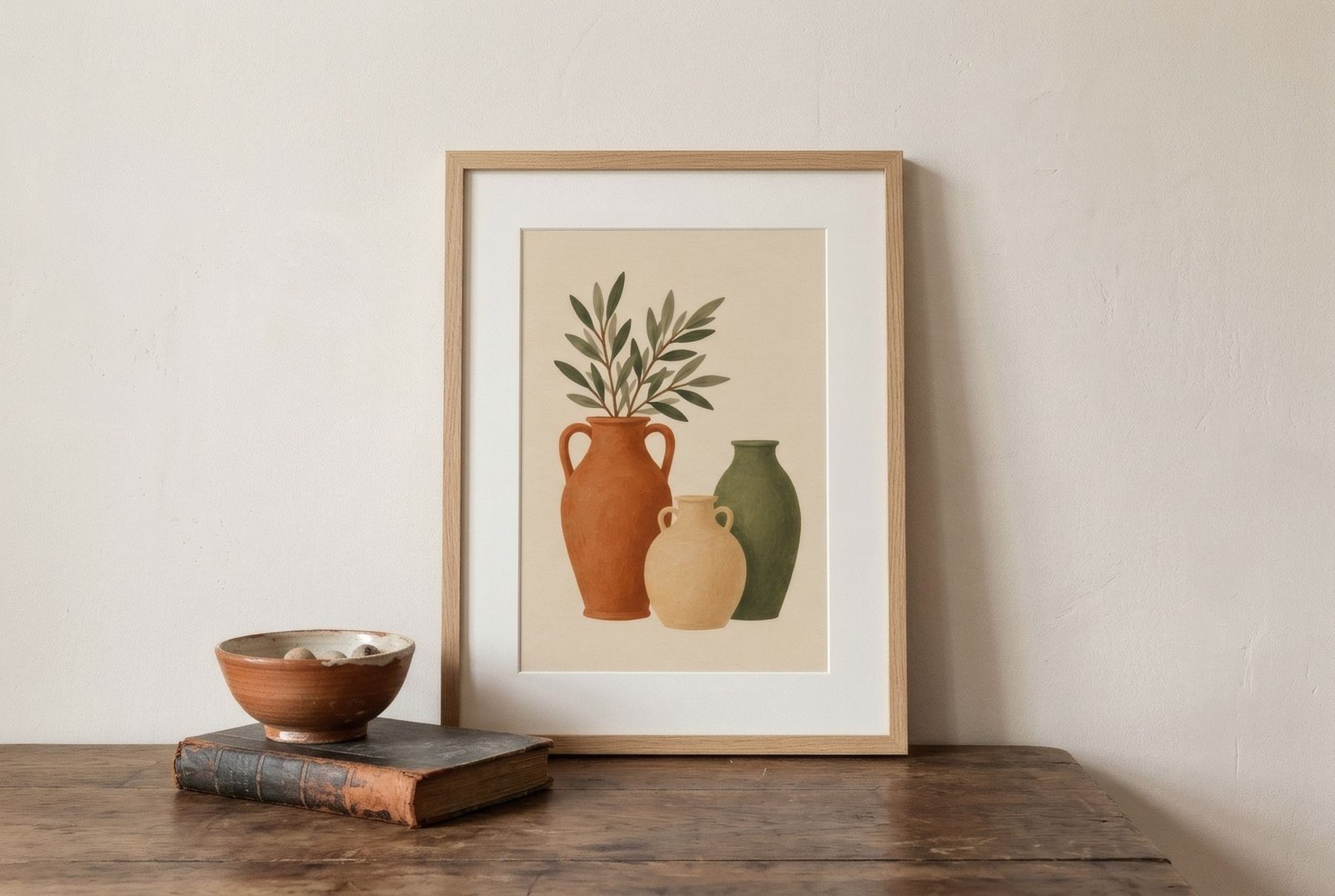
Most of us have at least one. A ceramic bowl that belonged to a grandmother and is still used for the same things. A chair that has survived four house moves. A book with folded corners and pencil notes in the margins. A print hung in a first shared flat that, many years and many homes later, is still on a wall. They are not necessarily the most expensive things we have owned, nor the most beautiful. They are the ones that stayed. At a time when so much is bought to last a season, it is worth asking what makes some objects endure, and why that matters to us so much.
What goes and what stays
We live surrounded by objects that pass in and out of our lives at speed. Many are designed to last only a short time, or at least to be replaced soon: by a newer model, a seasonal colour, a different style. There is nothing wrong with renewal, but that constant turnover has a curious effect: the more what surrounds us changes, the more value the few lasting things acquire.
Objects that stay become, over time, more than objects. They become witnesses. They accompany chapters of life, recall places, hold the marks of hands that used them. A table scarred by years of meals tells a story no new table can.
Why some things stay
If we think about the objects that have stayed with us, they tend to share a few qualities.
The first is meaning. They stay because they matter: they were gifts, chosen at a special moment, or remind us of someone. Emotional attachment is probably what most protects an object from being forgotten.
The second is a certain quality. Not necessarily luxury, but a way of being made that stands up to use: honest materials, careful construction, the possibility of repair when something fails.
The third is design that ages well. Objects tied closely to a particular fashion tend to tire quickly; those with simple, balanced forms adapt to different homes and eras without looking dated.
And the fourth, perhaps the most overlooked, is care. An object also lasts because someone looks after it: cleans it, protects it, mends it, stores it well when it is not in use.
Art as an object that stays
The works we hang at home can be among those lasting objects. A print chosen with affection goes with us through house moves, is taken down and hung again, changes rooms, is seen differently over the years. Many people remember exactly the first artwork they hung at home, even if they recall almost nothing of the furniture they had then.
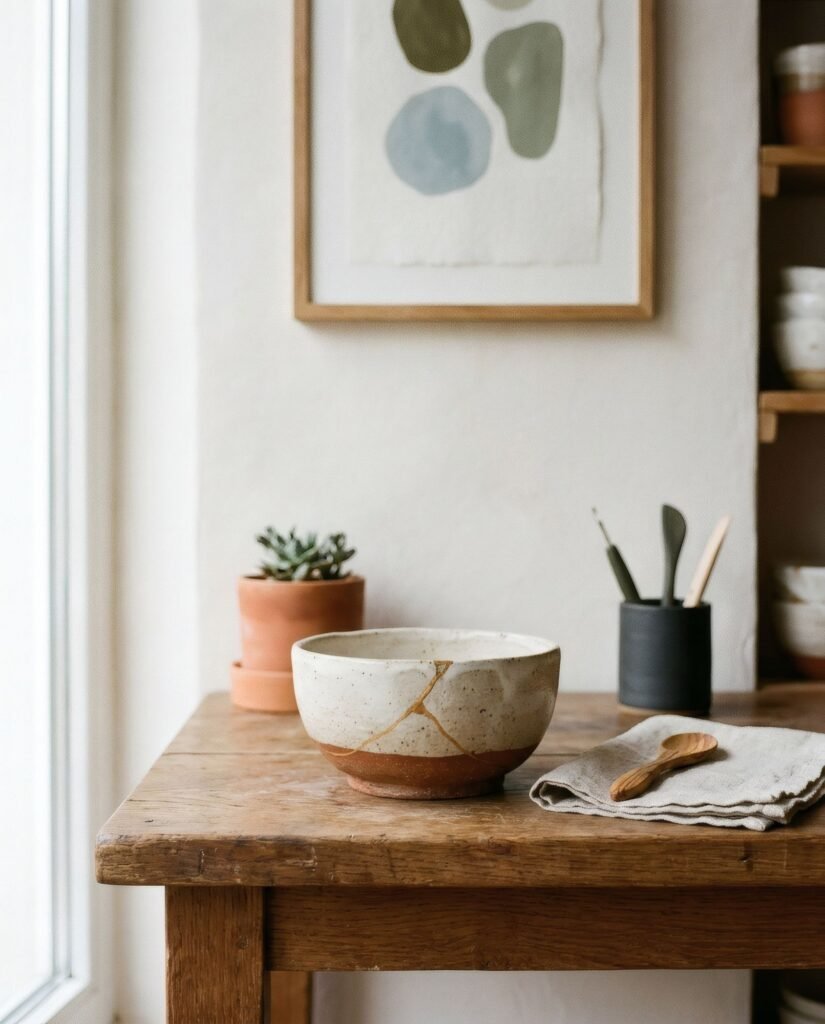
For a work to last, the same keys apply as for any object. It should mean something to us, be well made, carry an image that does not depend on a passing trend, and be looked after: out of direct sun, protected from damp, properly framed. We explain how in how to care for your art prints.
Without promising for ever
It is important to be honest, though. Nothing lasts for ever, and paper objects do not either. A print, like any work on paper, may change over time depending on the light it receives, the humidity around it and the materials it is framed with. No one should promise that a work will stay untouched for eternity.
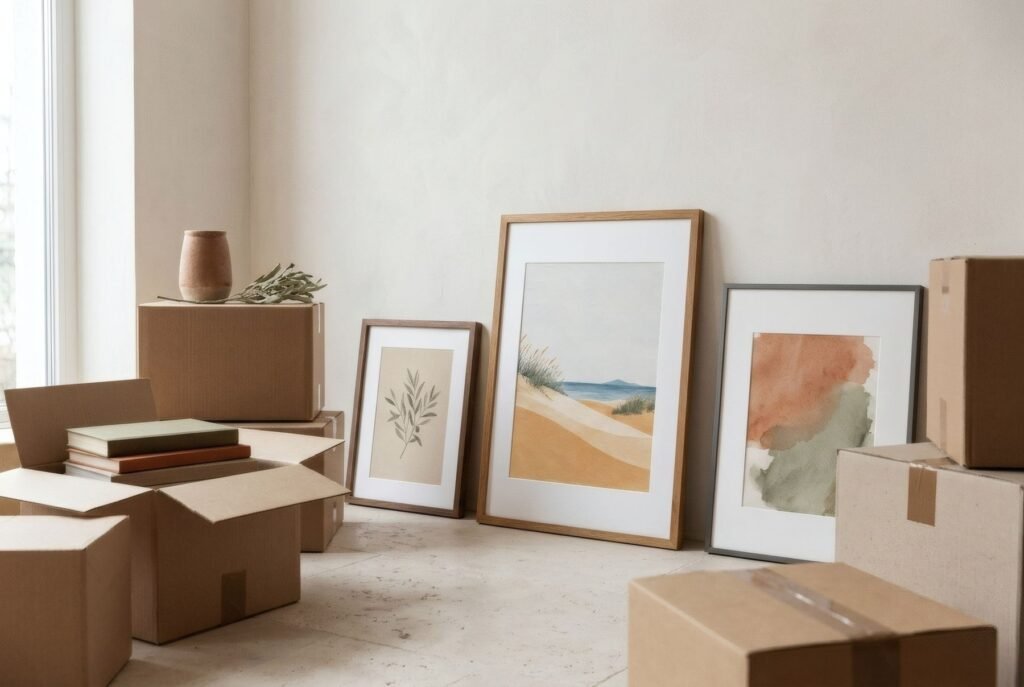
What we can do is choose with intention and care with attention. Perhaps that is the real value of objects that stay: not that they are indestructible, but that we have decided they are worth keeping.
Choosing to keep
Before buying something for your home, whether furniture, a pot or an artwork, it can help to ask a simple question: can I picture still having this in ten years? The answer will not always be yes, and that is fine. But when it is, it is worth choosing with a little more care.
At Bendíra we try to make work that answers that question: simple, unhurried images made to keep a home company for a long time, and to live alongside those other objects that, like them, have come to stay.
Keep reading: Choosing Art with Intention, Our Perspective on Contemporary Design and Why We Believe in Printed Art.