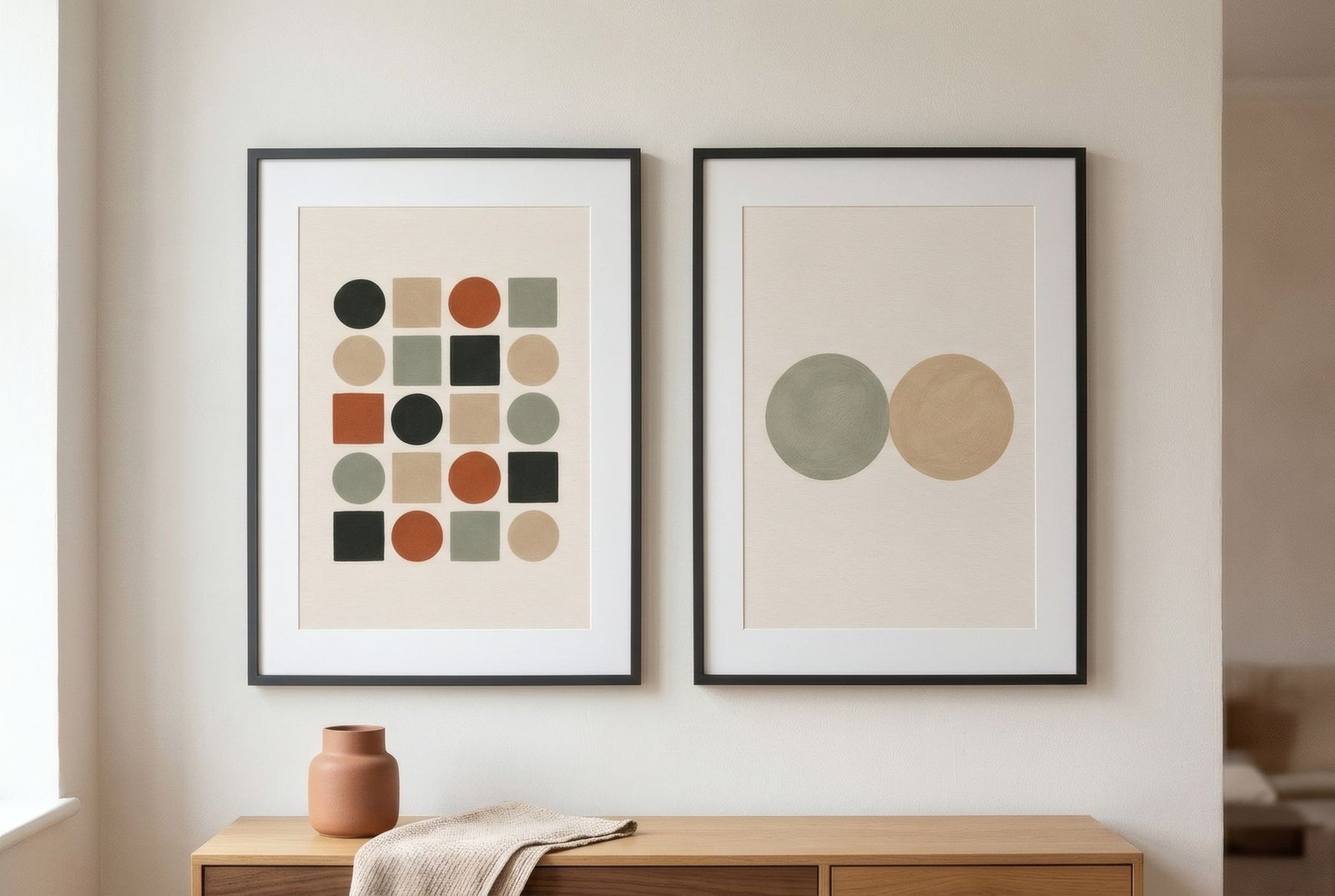
When we stand before a work of art, one of the first things we do, almost without noticing, is ask what it shows. If we recognise a face, a landscape or a vase of flowers, we feel on familiar ground. If we see only patches of colour, lines and shapes, the question hangs in the air. That difference between the recognisable and the unrecognisable lies behind one of art’s most common distinctions: figurative versus abstract. It is a useful distinction, but more nuanced than it seems. Between a realist portrait and a field of pure colour lies a vast territory of works that play with both ways of seeing.
Figurative art: recognising the world
Figurative art represents recognisable figures, objects, landscapes or scenes from the real world. For most of the history of Western art it was the dominant form: portraits, religious scenes, still lifes, landscapes. Think of a Gainsborough portrait or a Constable landscape: we know what we are looking at, and from there we enjoy how it is painted.
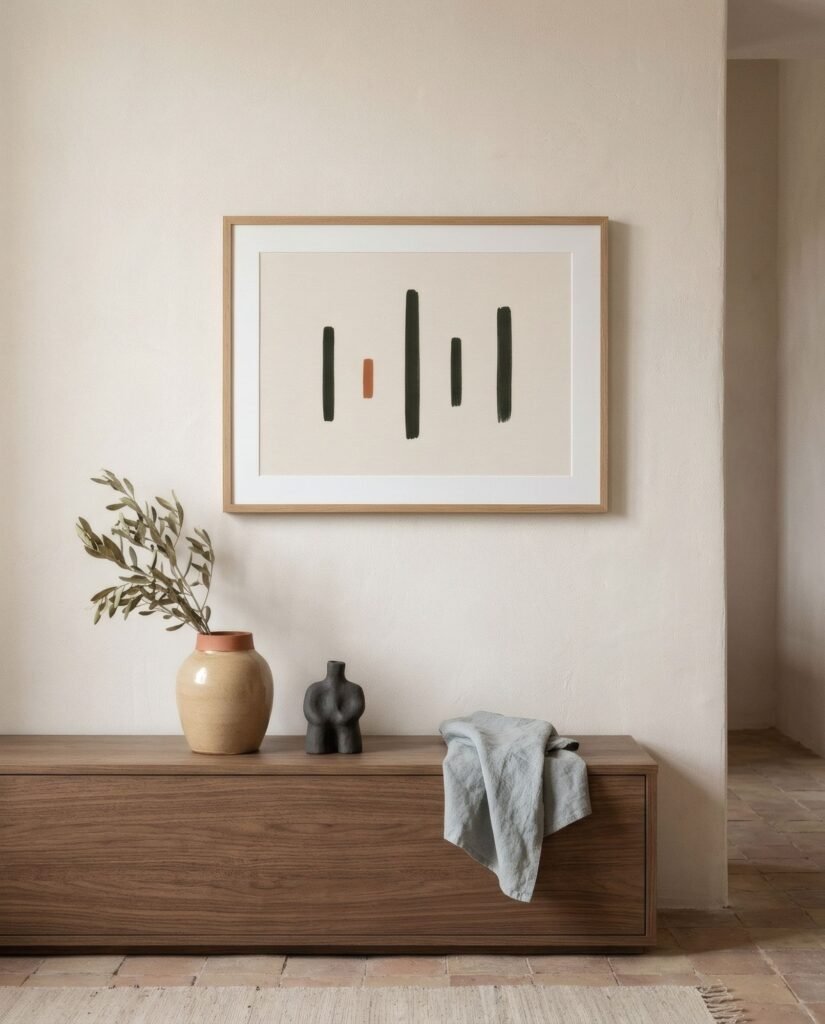
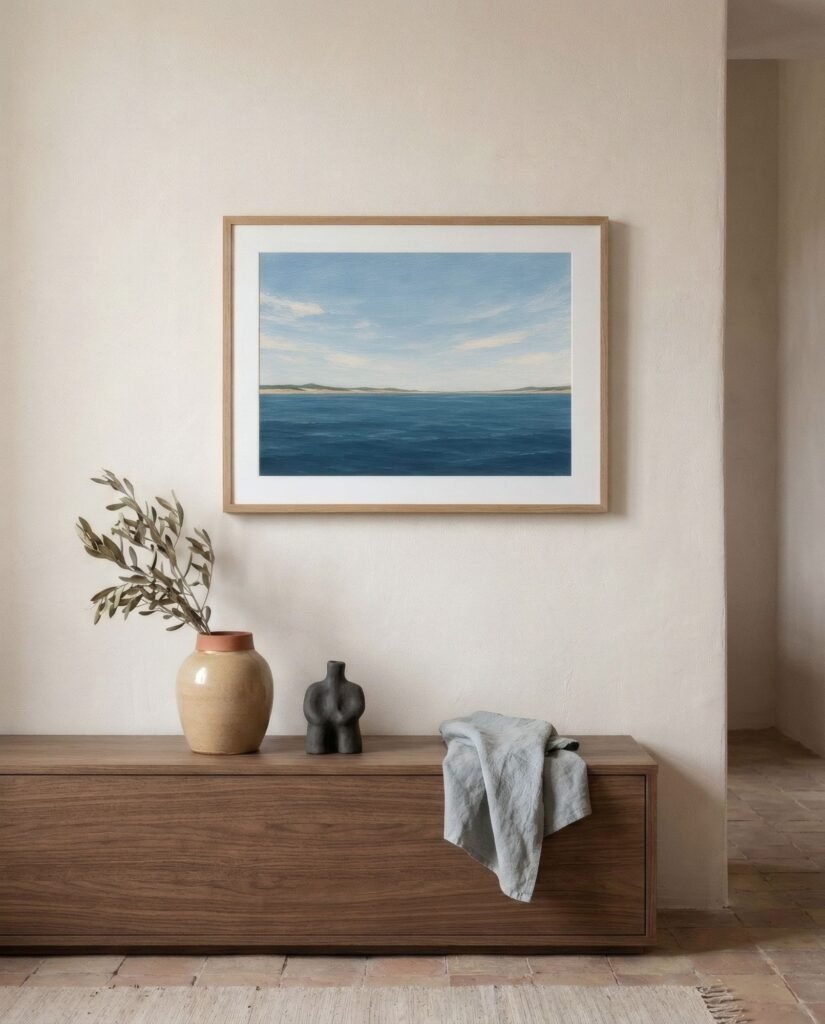
Figurative does not necessarily mean realistic. Some figurative art is very faithful to appearances, almost photographic; some is highly stylised or simplified, like an illustration of a few simple strokes or a figure reduced to a handful of lines. What defines it is that we still recognise the subject.
Abstract art: form, colour and gesture
Abstract art, by contrast, does not seek to represent visible reality faithfully. It works with the elements of the image itself, form, colour, line, texture and gesture, and its meaning does not depend on recognising an object. It may begin from something real and simplify it beyond recognition, or begin from nothing outside itself. We explain this in what is abstract art? a beginner’s guide.
Before an abstract work, «what does it show?» stops being the most useful question. It is better to ask what we feel, what relationships we see between colours, which way the composition moves.
A spectrum, not two boxes
The distinction is practical, but the reality of art is a continuous spectrum. At one end, meticulous realism; at the other, pure abstraction. In between, endless shades.
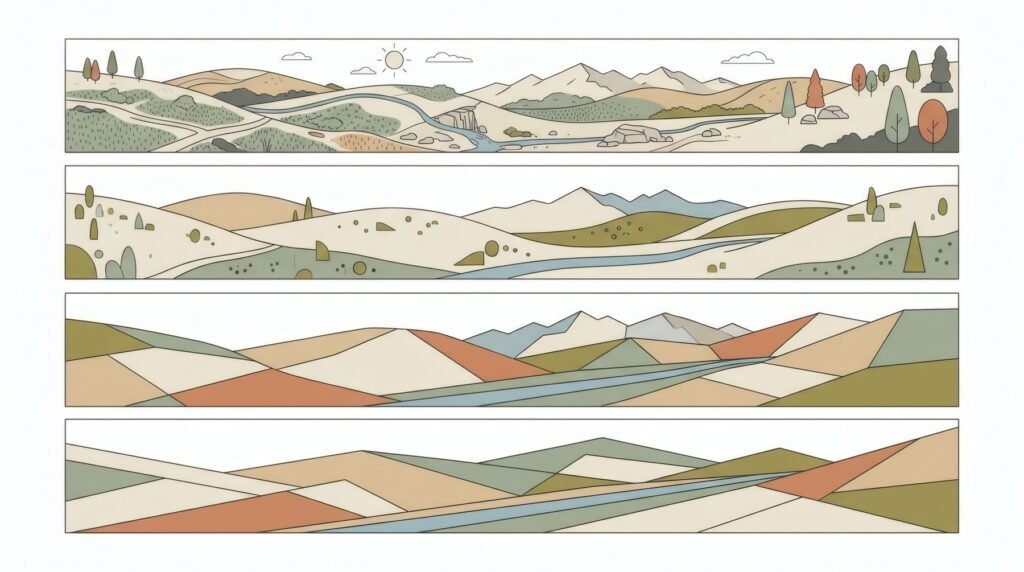
There are stylised works, showing something recognisable but greatly simplified, like a tree reduced to a trunk and a round crown. There are semi-abstract works, where a subject such as a landscape, a figure or a city can still be sensed, though form and colour outweigh representation. Many of the twentieth century’s most important movements, from Cubism to Expressionism, worked precisely in that middle ground.
The borders are crossed constantly, too. Many abstract artists began as figurative painters, like Mondrian, who arrived at his line compositions by way of trees and landscapes. And many figurative works have an abstract logic of shapes and colours in their composition.
What each offers
Neither is superior. Each offers something different.
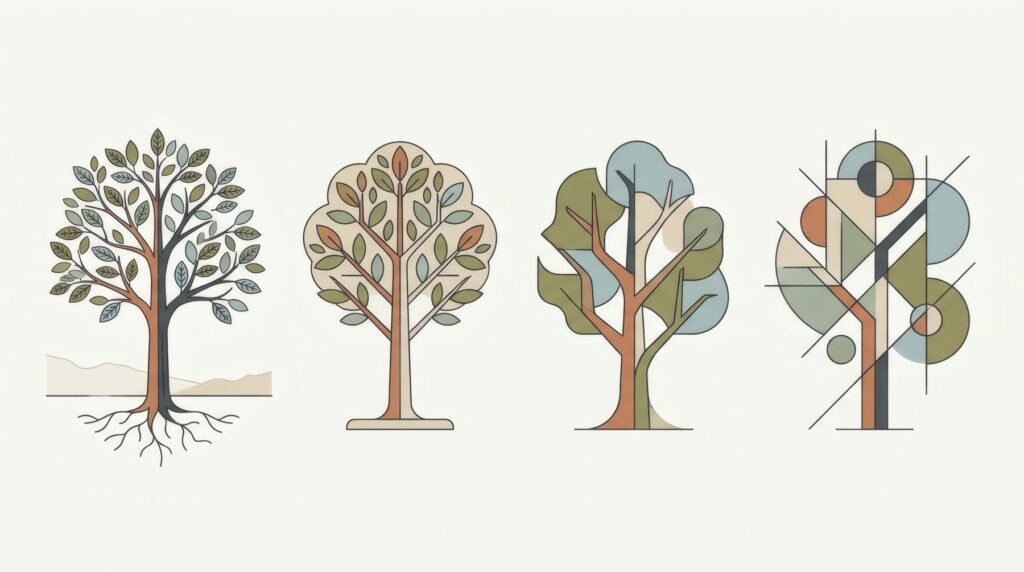
Figurative art offers recognition, narrative and closeness. A landscape can recall a place, a portrait a person, a scene a story. It is often more immediate and allows direct connections with our own experience.
Abstract art offers freedom, openness and a more sensory relationship. It does not tell us what to see but leaves us room. That is why it can live with us for years without wearing out, revealing different things at different moments.
Choosing for home
At home, the choice depends more on what you are looking for than on any rule. If you want a work to tell something specific, recall a place or have a recognisable subject, figurative art, whether a landscape, a botanical or a photograph, is probably your path. If you prefer a more open presence that brings colour, rhythm and calm without imposing a subject, abstraction offers more freedom.
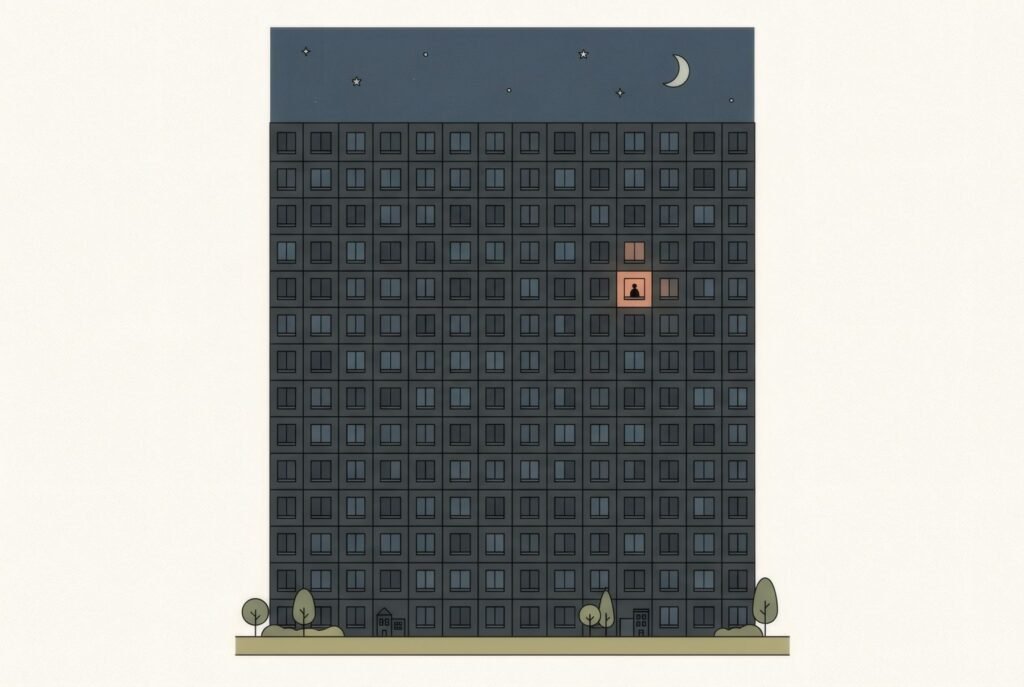
The space matters too. In a bedroom, a soft abstract or a serene landscape can be equally calming. In a study, an abstract may distract less than a detailed scene. In a dining room, a figurative still life can spark conversation.
And of course you can mix them. A wall with an abstract and a landscape, or a photograph and a line drawing, can be very rich if they share a palette or frame. More in how to mix and match wall art.
Two ways, one gaze
Figurative or abstract, in the end these are two ways of looking at the world: one that recognises it and one that transforms it. Many of the most interesting works live between the two, and so do many of the loveliest homes.
Bendíra’s collections hold both registers: landscapes pared to essentials, such as hills, tides and low suns, sitting midway between figuration and abstraction, alongside compositions of pure form.
Keep reading: Editorial Illustration: Art That Communicates Ideas, Image Resolution for Art Prints: What You Need to Know and Modern vs Contemporary Art: Key Differences.